Has the sheer volume of species featured in Prehistoric Planet been overwhelming? Have names like Quetzalcoatlus, Xiphactinus, and Hatzegopteryx left you (or a loved one) confused? Well, you’ve come to the right place! In this five-part series, I will be cataloguing the various species of Prehistoric Planet in order of their appearance in the show. Today’s article will list the dinosaurs and other prehistoric animals featured in episode 2, Badlands. Without further ado, let’s get this party started!
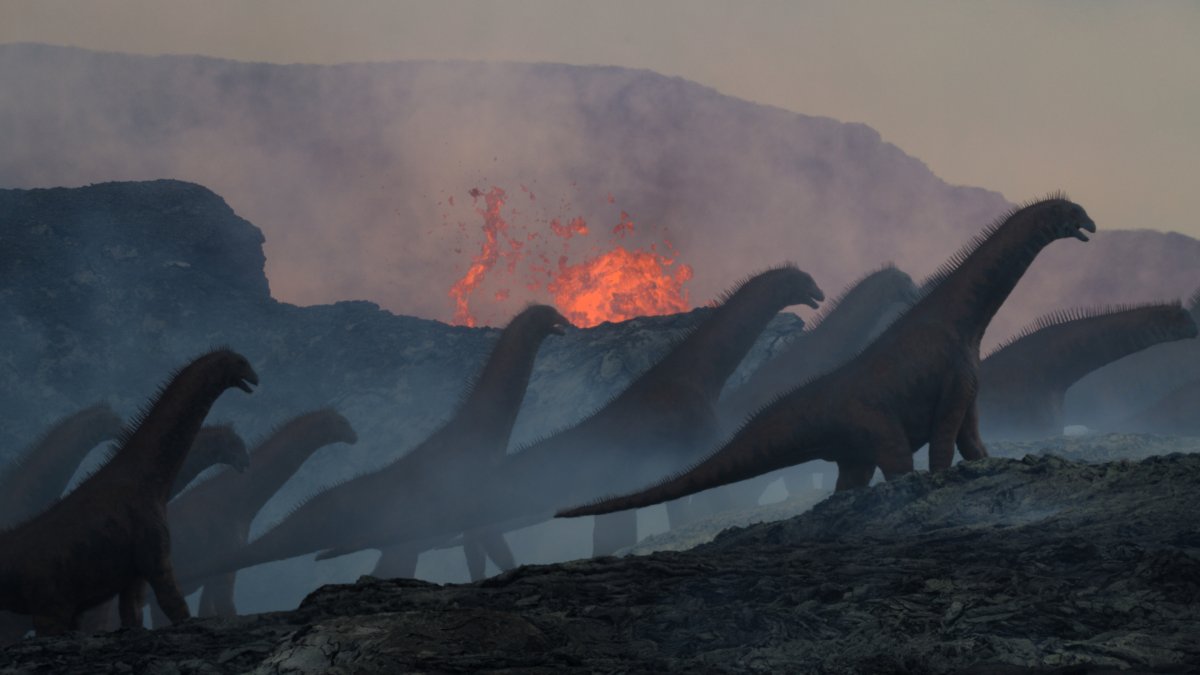
Isisaurus: Quite possibly the most beautiful dinosaur featured in the series, these titanic sauropods are shown nesting in the treacherous Deccan lava traps of prehistoric India. Like the Titanosaurs of Prehistoric Park, these dinosaurs use thermally insulated volcanic soil to incubate their eggs, though I’m sure there are less treacherous ways to protect them!

Velociraptor: While they may not resemble their Jurassic Park counterparts, these Velociraptors proved to be just as formidable. Using a Tyrannosaur hunt to set up an ambush, a Velociraptor drop kicks a Prenocephale off a cliff to feed its family, making for one of the most surprising moments of the season.

Nemegtosaurus: A large titanosaur known from the Nemegt Basin of Mongolia, a herd of Nemegtosaurus is featured running from Tarbosaurus. Nemegtosaurus is unique as the only skeletal material attributed to it is a single skull, a rarity for sauropods.
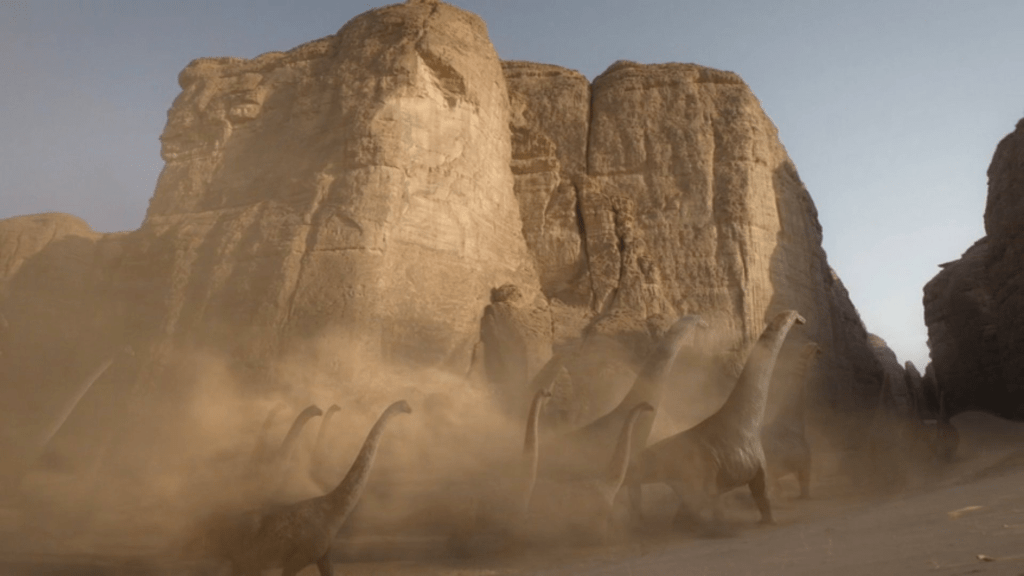
Mongolian Titanosaurs: These unnamed sauropods featured alongside Nemegtosaurus are likely the same as the “Mongolian titans” featured in season 1. Based on a giant sauropod footprint, the Mongolian Titanosaurs are amongst the largest dinosaurs featured on Prehistoric Planet.

Prenocephale: A small Mongolian herbivore, Prenocephale is the first pachycephalosaur featured in the series. The scene of a Prenocephale being chased on a cliffside by a Velociraptor was fascinating, given that it has been theorized that pachycephalosaurs lived in mountainous habitats. Let’s hope they were nimbler than in the series!

Tarbosaurus: Tarbosaurus was one of prehistoric Asia’s deadliest predators, something shown in Badlands. Their mere presence leads to a sauropod stampede, proving that reputation alone can get you a free meal (just ask some celebrities!).

Corythoraptor: Another returning guest from season 1, a colony of male Corythoraptor nest in the middle of the Gobi Desert. Between the searing temperatures, predators trying to steal their eggs, and frequent sandstorms, life for these dedicated fathers would have been challenging.

Kuru kulla: One of the newest dromaeosaurs identified, Kuru kulla is shown stealing Corythoraptor eggs at night. The irony of this scene is that she steals the eggs of an Oviraptorid, the family of dinosaurs who have been historically portrayed as egg thieves. Talk about pulling the uno reverse card!

Tarchia: Numerous paleoartists have testified that ankylosaurs are impossible to illustrate, so kudos to Prehistoric Planet for doing a solid job with Tarchia. The choice to portray Tarchia combating other members of its own species deserves credit, as dinosaur documentaries love to show ankylosaurs battling tyrannosaurids. There is fossil evidence of Tarchia being killed by a tyrannosaur however[i], so maybe it wouldn’t have been the worst thing in the world.

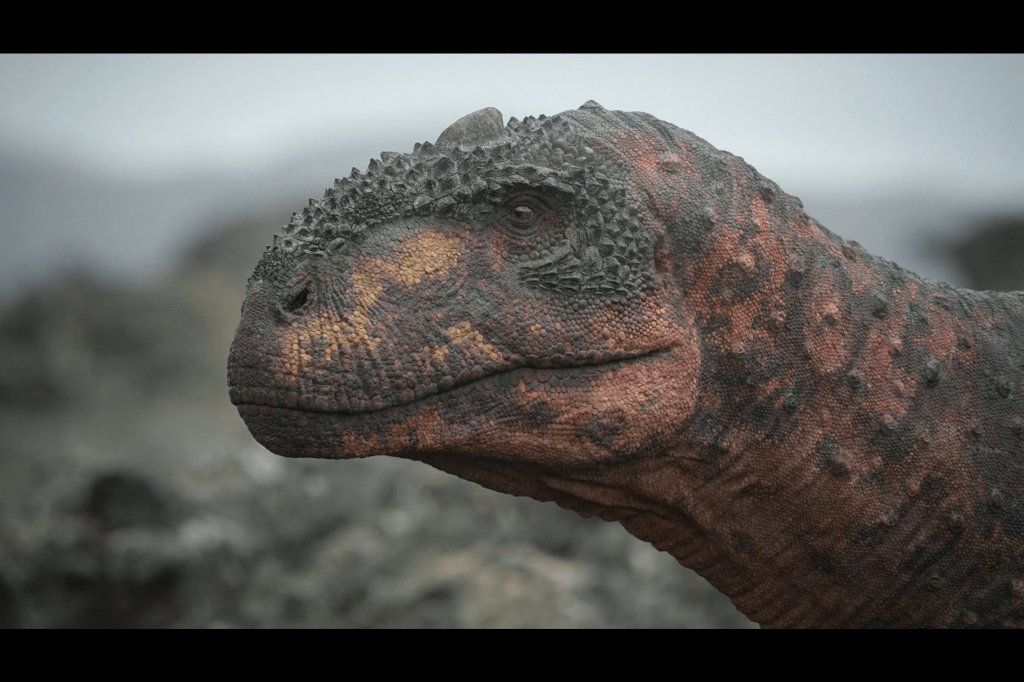
Rajasaurus: Baby sauropods would have fallen victim to numerous carnivores, including the abelisaurid Rajasaurus. Like its cousin Majungasaurus from S2 episode 1, Rajasaurus sports a stumpy, rough skull, though its red and black colouration make it one of the most vibrant predators featured in the series.
Thank you for reading today’s article! If you want to read more about Prehistoric Planet, including my official review of the second season and part one of the species guide, I suggest you check out the following link!
I do not take credit for any images found in this article. All images are credited to Apple TV+
Works Cited:
[i] Tumanova, Tatiana, et al. “A Potentially Fatal Cranial Pathology in a Specimen of Tarchia.” The Anatomical Record, 2023, https://doi.org/10.1002/ar.25205.
 Max's Blogo-Saurus