
Has the sheer volume of species featured in Prehistoric Planet been overwhelming? Have names like Quetzalcoatlus, Xiphactinus, and Hatzegopteryx left you (or a loved one) confused? Well, you’ve come to the right place! In this five-part series, I will be cataloguing the various species of Prehistoric Planet in order of their appearance in the show. Today’s article will list the dinosaurs and other prehistoric animals featured in episode 4, Oceans. Without further ado, let’s get this party started!
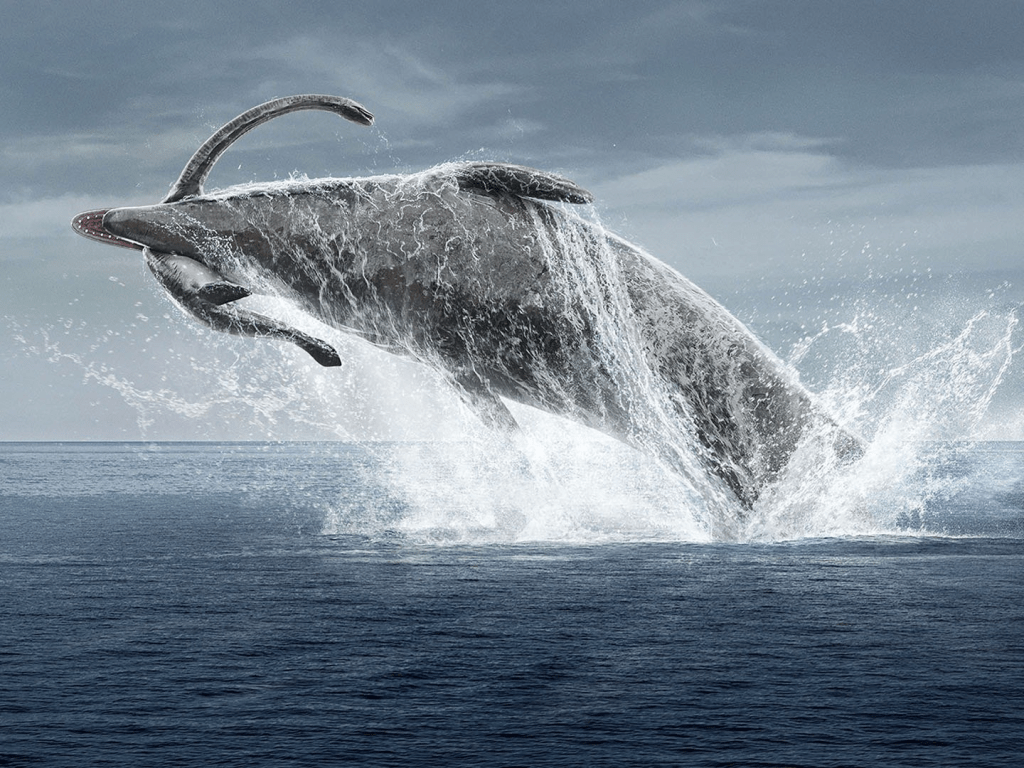
Mosasaurus Hoffmannii: The largest predator on Earth during the Late Cretaceous, Mosasaurus hoffmanni is featured twice in Oceans. While these giants were close relatives of snakes and monitor lizards, the Mosasaurus hunt scene was clearly inspired by the Great White Sharks, with a breaching scene eerily similar to Planet Earth.
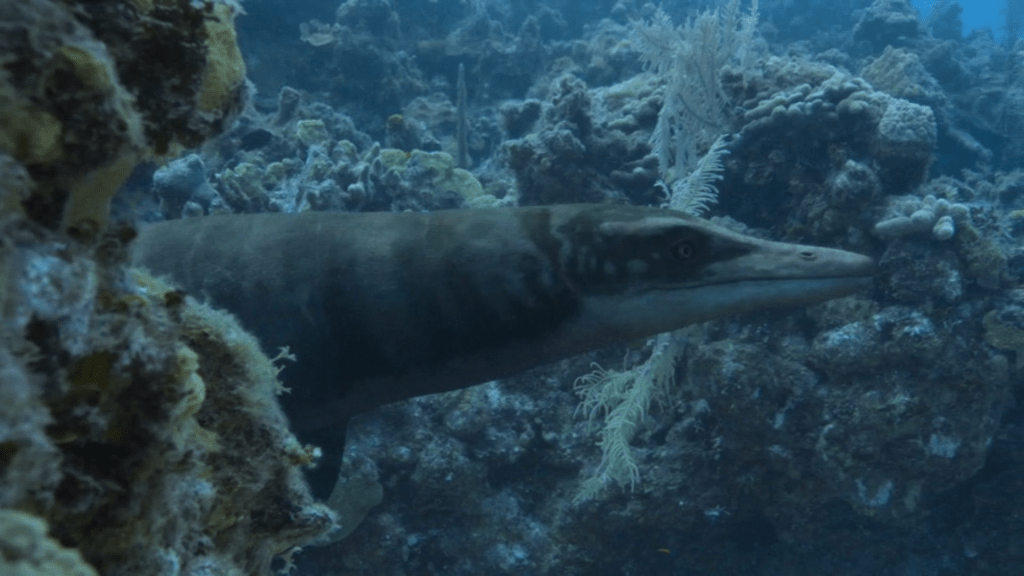
Phosphorosaurus: Not all mosasaurs were titans of the seas, demonstrated by the small species Phosphorosaurus. Her cat and mouse game with the Mosasaurus in a coral reef and her nocturnal hunt were nice callbacks to the Ichthyosaurs of Walking with Dinosaurs, though the bioluminescent lantern fish she chases make for a more exciting rendition.
Hesperornis: These birds are seen fishing in the oceans of North America before a shoal of Xiphactinus shows up to ruin their day. While they may look part swan, part penguin, and part duck, they aren’t closely related to any of these families and instead were part of an extinct lineage of aquatic birds.
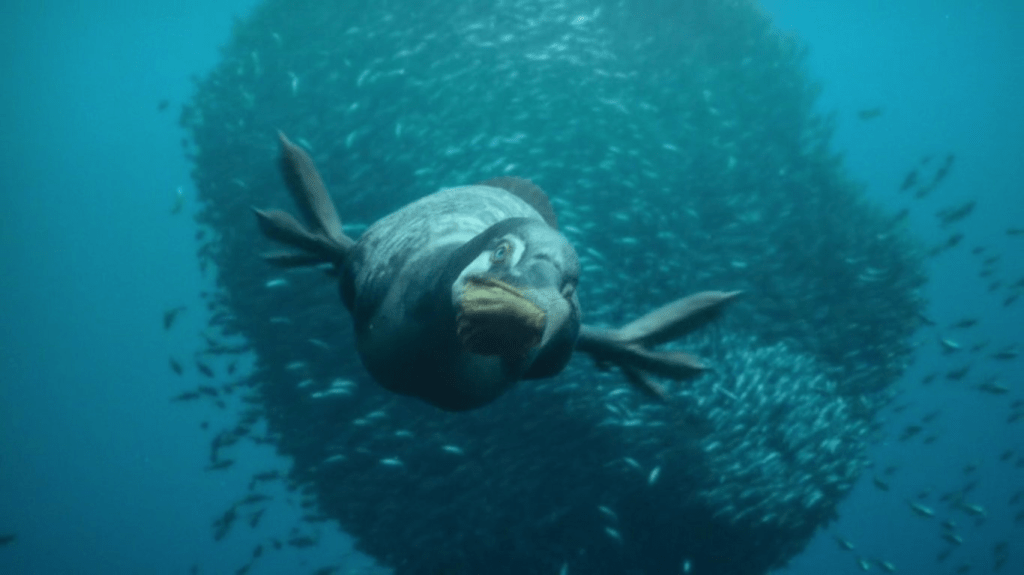
Xiphactinus: If there was a contest for the ugliest animal alive in the Cretaceous seas, the winner would have to be Xiphactinus. The speed at which these colossal fish pursue their prey is frightening, and the not-very-subtle reference to the infamous fish-within-a-fish specimen is one of the series’ most prominent references to real fossils.

Unknown Baby Ammonites (Nostoceras?): The unofficial stars of this episode, thousands of baby ammonites navigate the rocky coastlines of prehistoric Europe. While their defining feature is how adorable they are, the speculative behaviour of moving in mass herds to reach deeper waters is my favourite moment of the episode.

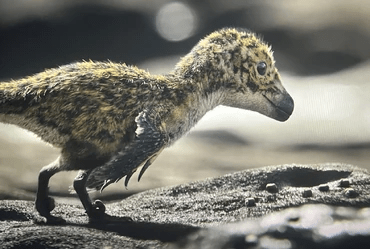
Pyroraptor: Not all baby ammonites could reach the deep blue sea, something a group of baby Pyroraptor take advantage of. Their featurette is truly a blink-and-you’ll-miss-it moment, something I must admit I was guilty of upon first viewing. Looking at paleo-twitter after the episode had me confused!
Tuarangisaurus: A returning star from season 1, Tuarangisaurus is featured in a much more background role this season. Shown hunting in shallow Pacific lagoons, these piscivores end up on the wrong side of a deadly Mosasaurus hunt…
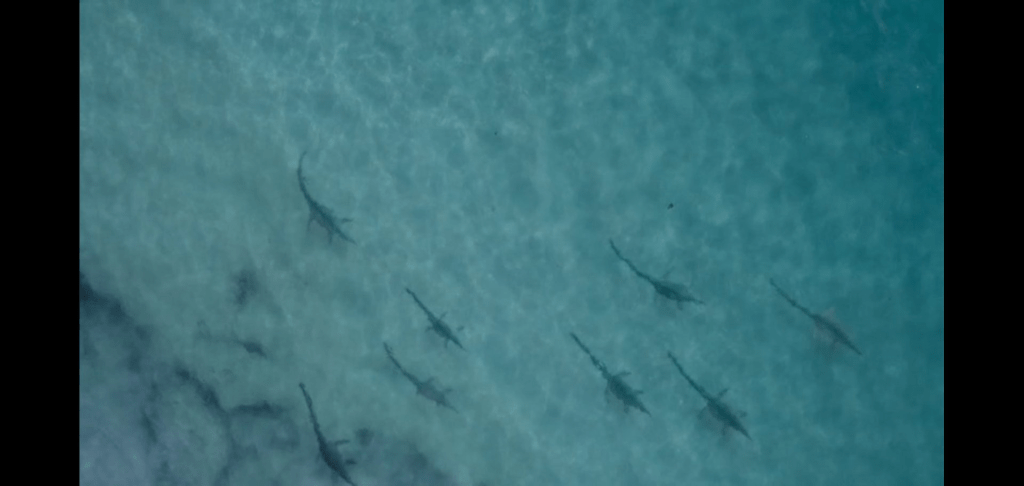
Baculites: One of several ammonites featured in a scene reminiscent of The Little Mermaid, Baculites are recognizable for their straight shells. While most ammonites possessed some form of a spiral-shaped shell, Baculites is amongst a pair of ammonites featured in Oceans that went against this trend.
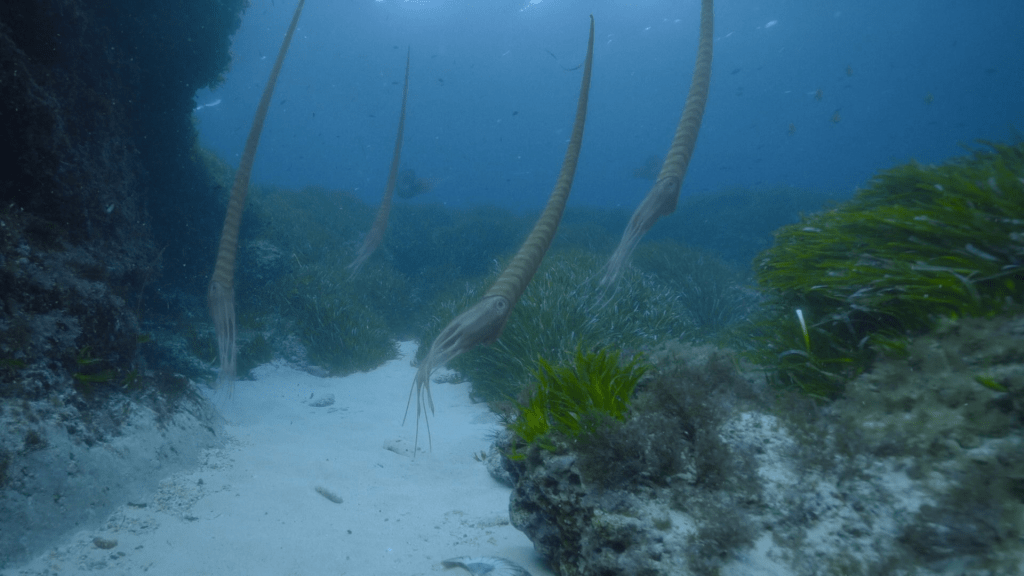
Diplomoceras: Possibly the most unique ammonite known to science, Diplomoceras is famous for its paperclip-shaped shell. What’s shocking is how big these ammonites were, with some individuals exceeding 2 meters (6 feet) in length.
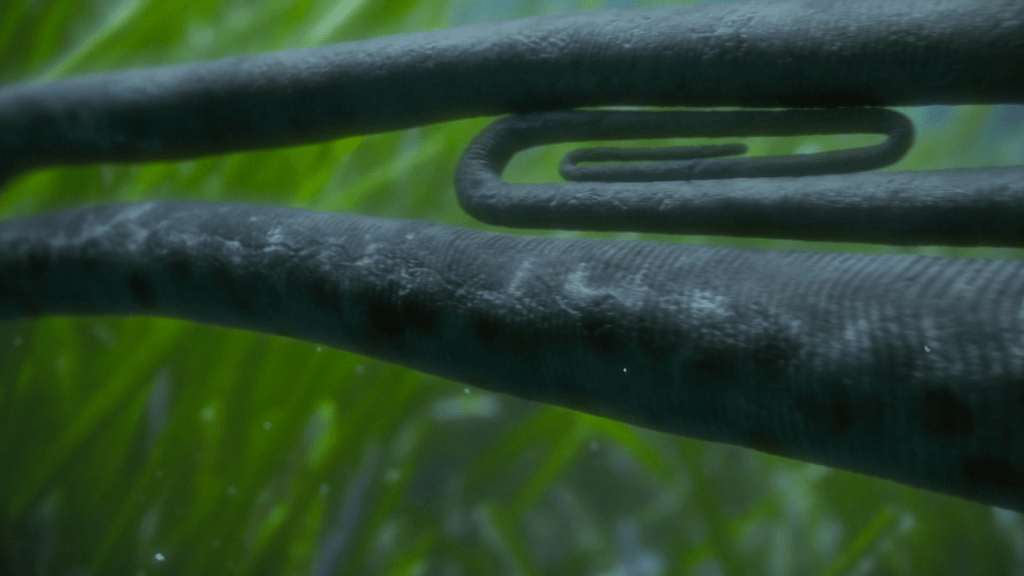
Nostoceras: The final ammonite featured in Oceans, these extremely spiralled ammonites are shown living close to the ocean floors. It can’t be understated how beautiful the ammonite scene in this episode is, though ultimately tragic, given that these wonderful creatures would disappear soon after the time of the episode.

Morturneria: A polar species of Elasmosaurid, Morturneria pods are shown feeding underneath the Antarctic ice. Morturneria’s portrayal is unique for two reasons: First, it is one of the few prehistoric animals known to practise filter-feeding; and second, the series’ choice to include blubber is a rare detail that (to my knowledge) has never appeared in a paleo-documentary before. Kudos to Morturneria for changing it up!

Thank you for reading today’s article! If you want to read more about Prehistoric Planet, including my official review of the second season and earlier parts of the species guide, I suggest you check out the following link!
I do not take credit for any images found in this article. All images are credited to Apple TV
 Max's Blogo-Saurus