
Has the sheer volume of species featured in Prehistoric Planet been overwhelming? Have names like Quetzalcoatlus, Xiphactinus, and Hatzegopteryx left you (or a loved one) confused? Well, you’ve come to the right place!
Today’s article marks the start of the Complete Guide to the Species of Prehistoric Planet for season two. Like last year, I‘ll post articles for each episode listing the species featured within. I’ll give short descriptions in order of appearance, which may include some interesting facts about the species or their role in the episode. Without further ado, let’s bring them out!
Alcione: Featured as hatchlings fleeing for their lives in season 1, a grown Alcione is briefly shown at the start of season 2. With a bright baby blue beak and white colouration, the design of this small pterosaur may have been inspired by seabirds like the Blue-footed Booby.

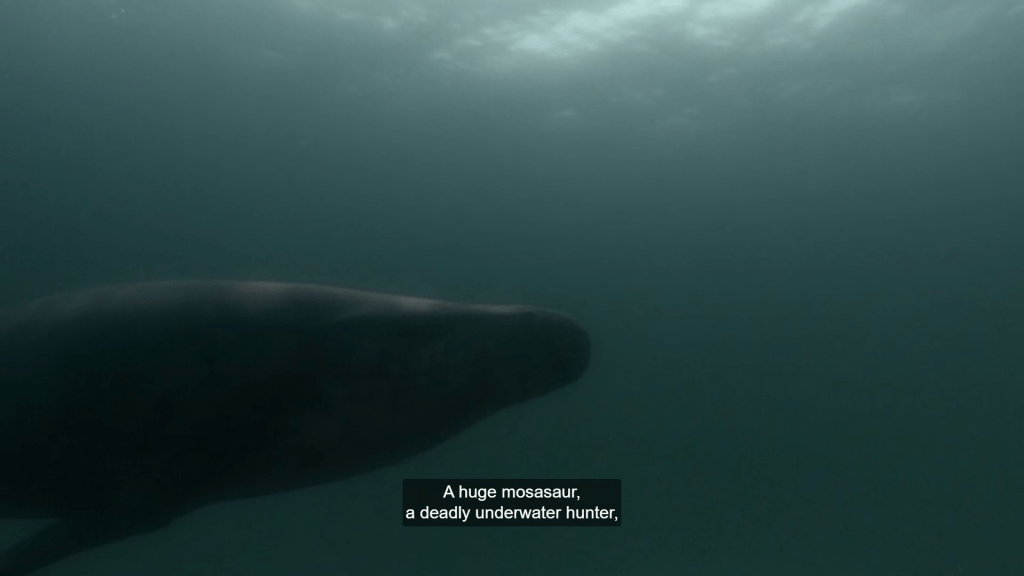
Unknown Mosasaur (Prognathodon): Briefly shown pursuing Alcione and Zalmoxes, this mosasaur attempts to take advantage of wildlife that has been swept out to sea. While mosasaurs aren’t as prominent in the series as the Azhdarchid pterosaurs (more on them later), they basically function in the same role: show up to ruin everyone else’s day.
Update: head scientific advisor Darren Naish recently confirmed on twitter that the mosasaur featured is Prognathodon, one of the most common mosasaurs of the Late Cretaceous.
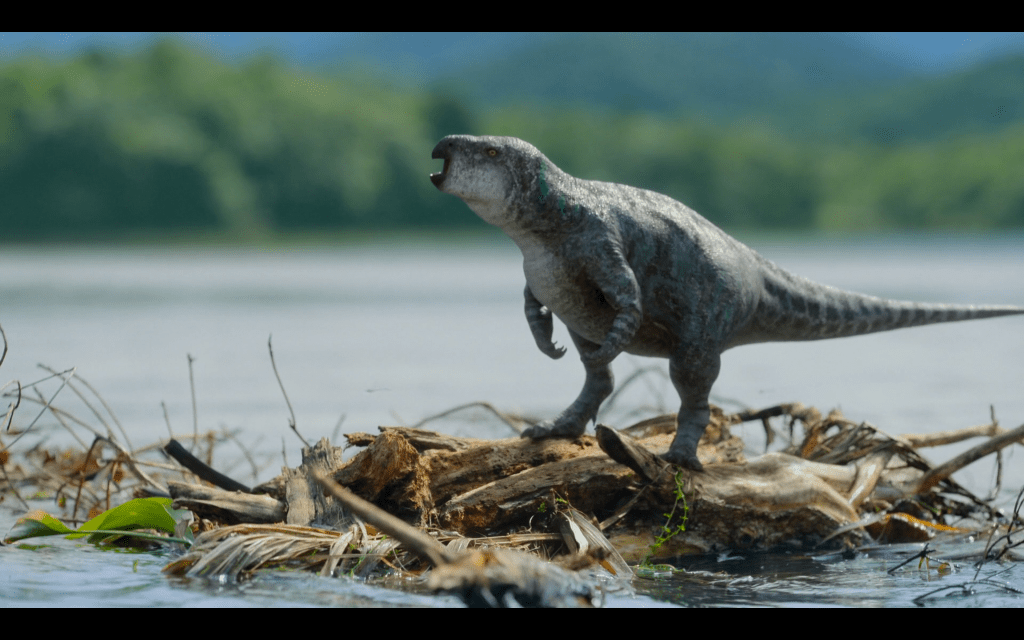
Zalmoxes: One of the last iguanodontids, Zalmoxes is shown rafting on vegetation patches following a tropical storm. Luckily for the male Zalmoxes, his rafting skills lands him on a massive raft with a female companion, making his story the original version of Love Island.
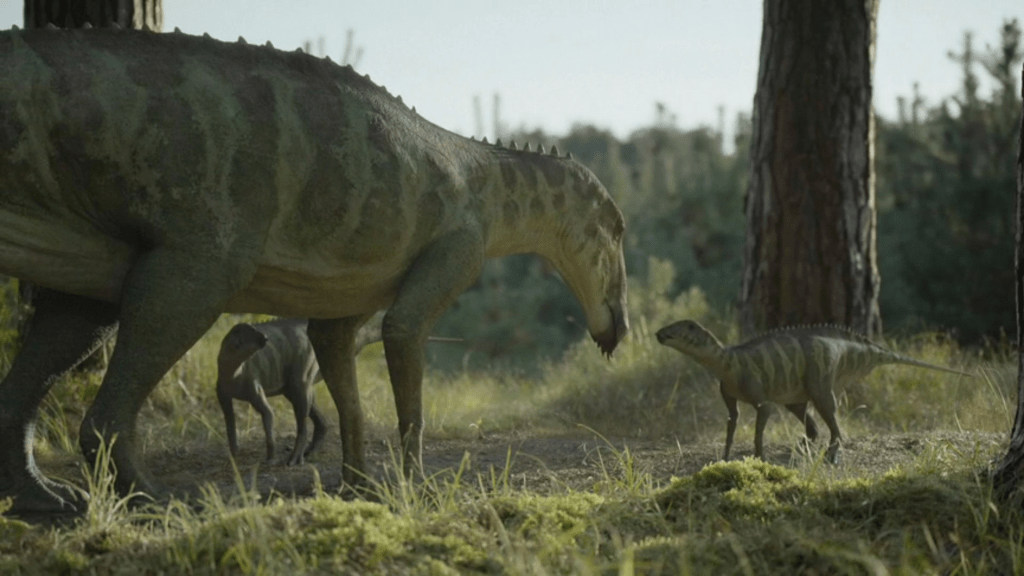
Tethyshadros: An enigmatic species of hadrosaur famous for its strange, serrated bill. While its dwarf sizes allowed it to survive in the island habitats of Cretaceous Italy, it made them vulnerable to giant predators, as seen by the Hatzegopteryx’s reign of terror.
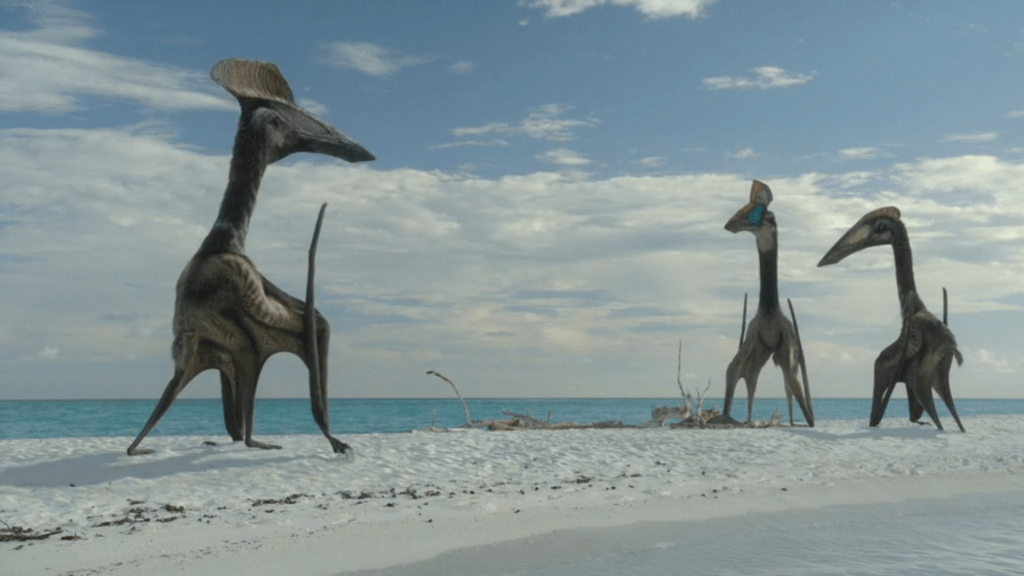
Hatzegopteryx: In a series full of infanticide, the Azhdarchid pterosaurs like Hatzegopteryx are far and away the worst offenders. Their first appearance in this episode features a group plucking baby Tethyshadros from a forest for a quick meal, while their second appearance involves a mating ritual performed over the body of a dead dinosaur. Talk about charming!
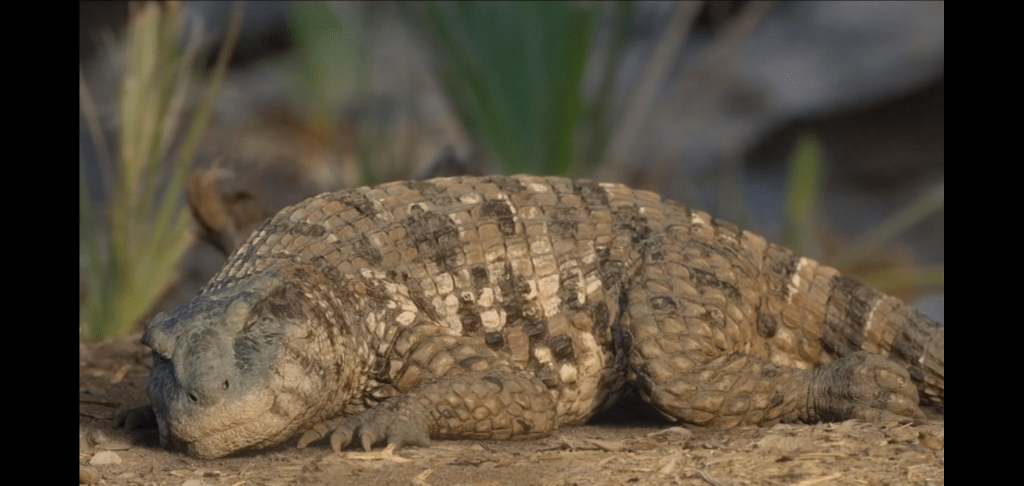
Simosuchus: The infamous vegan crocodile, Simosuchus is shown escaping the clutches of the large predator Majungasaurus. In a scene that would make Stegosaurus proud, a surprised Simosuchus turns the table on the Majungasaurus by turning around, shaking its stubby tail, and utterly confusing the predator until it could escape. As is the case in Pokémon, the Majungasaurus hurt itself in its confusion!
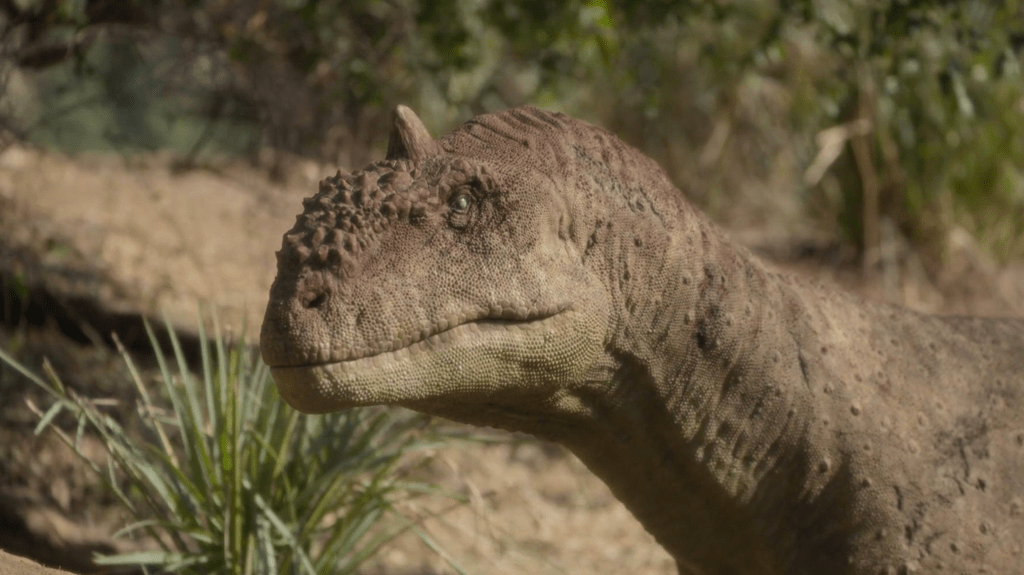
Majungasaurus: With a stumpy face, massive horn atop its head, and an oddly short body, there’s no mistaking Madagascar’s top predator, my favourite dinosaur. In this episode, a blind female Majungasaurus fails to catch the Simosuchus, making audiences question which side they should be rooting for…
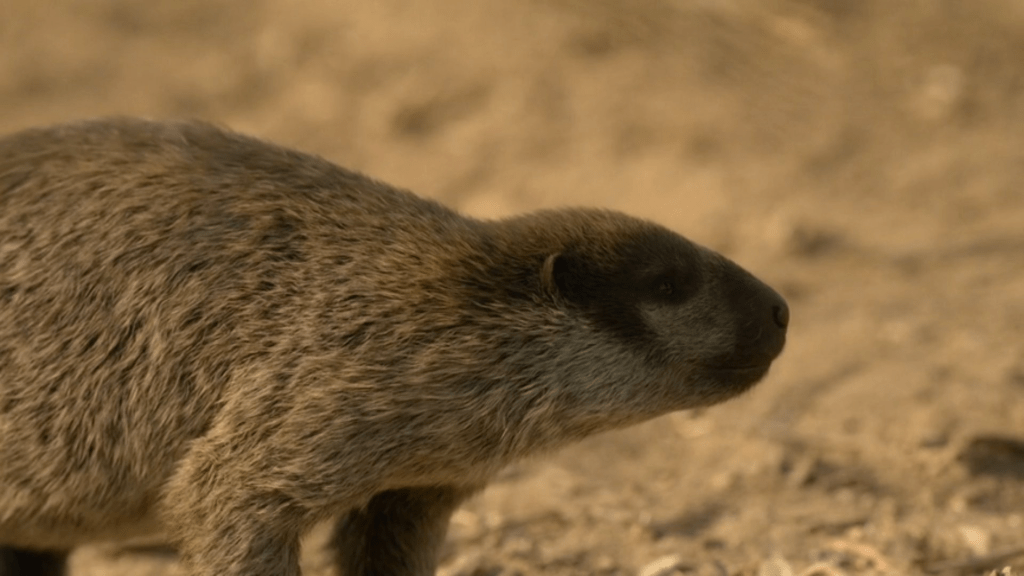
Adalatherium: The first named mammal in Prehistoric Planet, Adalatherium is portrayed as a nocturnal hunter with good parenting skills. A mammal laying eggs may be shocking, but don’t forget that there are mammals alive today (Platypus and Echidnas) that practise this behaviour!
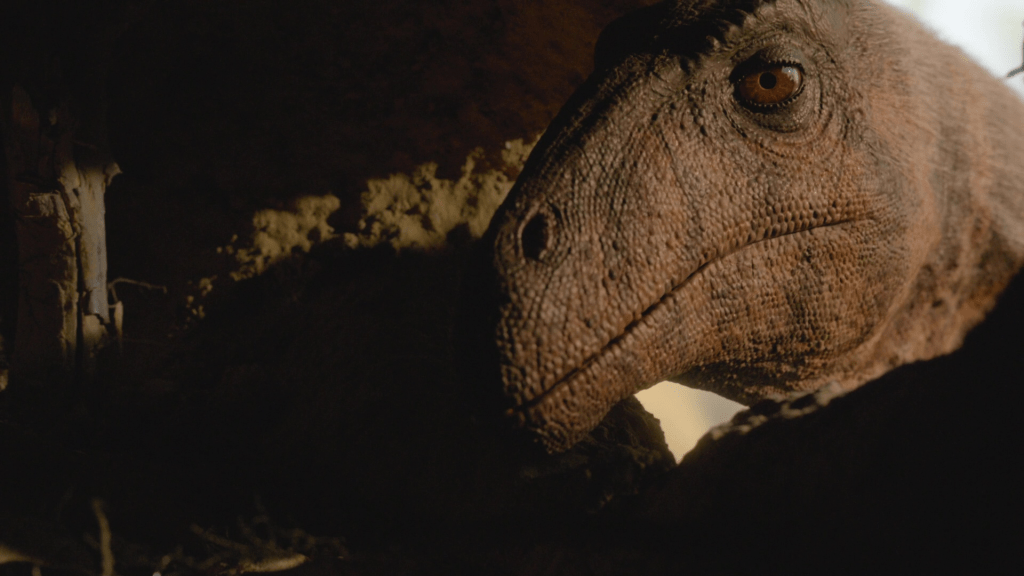
Masiakasaurus: One of the smallest Abelisaurids, Masiakasaurus might be the series’ biggest loser. In season 1, Masiakasaurus babies are eaten by the giant frog Beelzebufo, and in Islands, an adult Masiakasaurus gets eaten by a giant snake. I guess the creators had it out for poor Masiakasaurus!
Madtsoia: One of the largest snakes in Earth’s history, Madtsoia takes advantage of a distracted Masiakasaurus. The speed at which Madtsoia dispatches its prey is truly terrifying, making its extinction a welcome fact for those terrified of snakes!
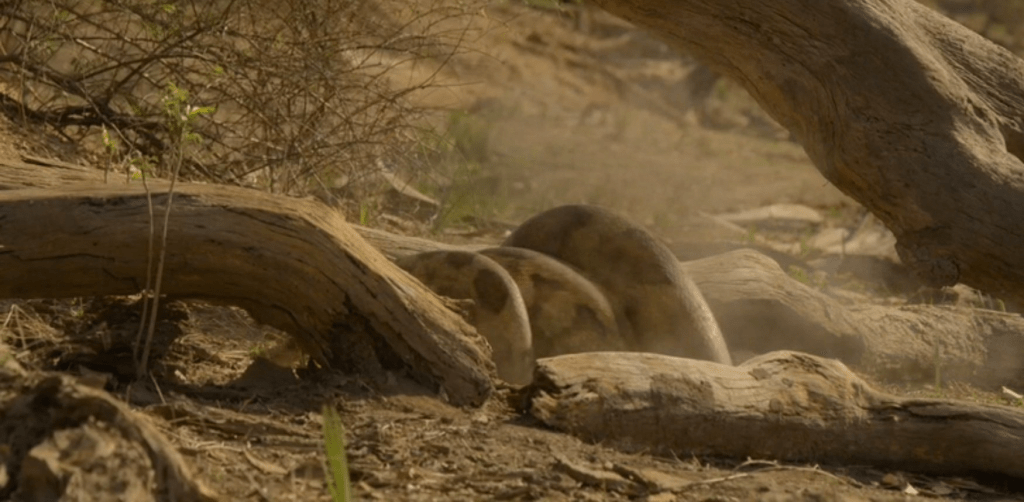
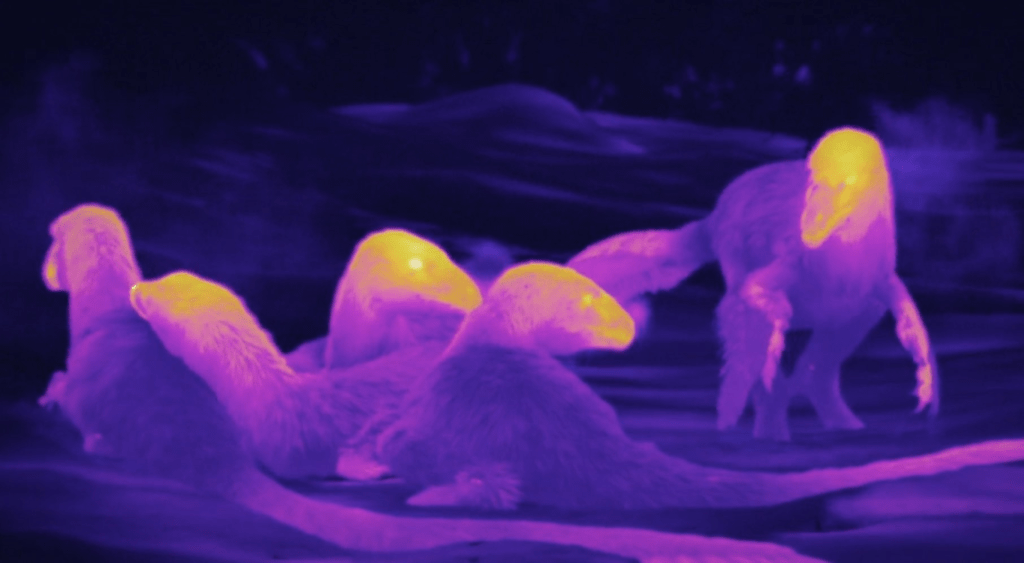
Imperobator: The most southern dromaeosaur, this Antarctic predator is famous for being the only raptor to lack the killing claw on its feet. While the chase scene was fascinating, their most notable moment in the episode came when a pack was viewed under a thermal camera, even if their heat distribution is just a little bit off.
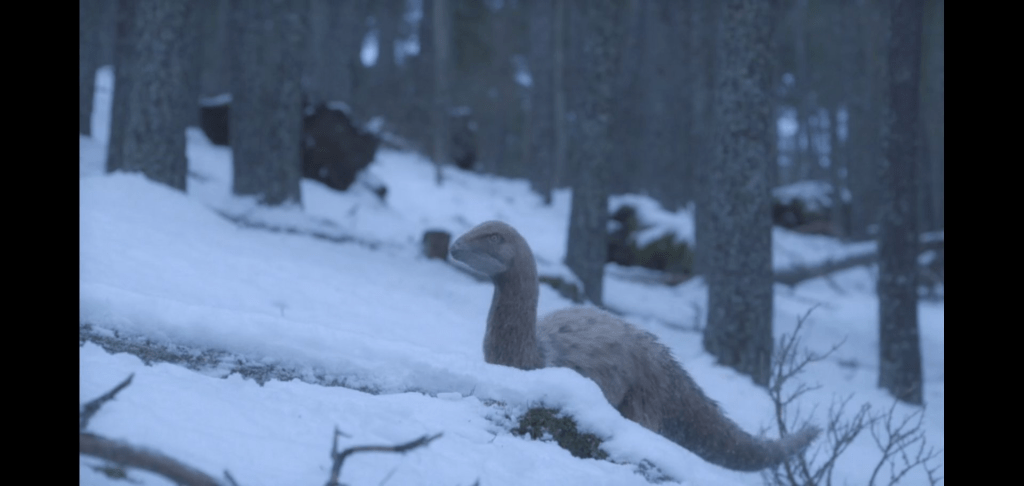
Morrosaurus: A small herbivore known from James Ross Island in Antarctica, Morrosaurus is shown to possess a downy layer of feathers throughout its body. While these structures are unconfirmed in Morrosaurus, their presence in close relatives like Kulindadromeus hints that herbivores may have evolved extra insulation for life in polar climates.
Thank you for reading today’s article! If you want to read more about Prehistoric Planet, including my official review of the second season, I suggest you check out the following link!
I do not take credit for any images found in this article. All images are credited to Apple TV+
 Max's Blogo-Saurus
4 replies on “A Complete Guide to the Species of Prehistoric Planet: Season 2, Episode 1: Islands”
[…] Crocodile representation in Prehistoric Planet has been lacking, so the presence of Shamosuchus and Simosuchus from S2 episode 1 have been welcome additions to the […]
LikeLike
As confirmed by Darren Naish on Twitter, the unnamed mosasaur featured in the Zalmoxes sequence is Prognathodon!
Source: https://twitter.com/TetZoo/status/1669088798599266305?t=cSPf2ZDUltx5_CHqHjJlcQ&s=19
LikeLike
Time for an update!
LikeLike
Damn it, you beat me to it haha
LikeLike